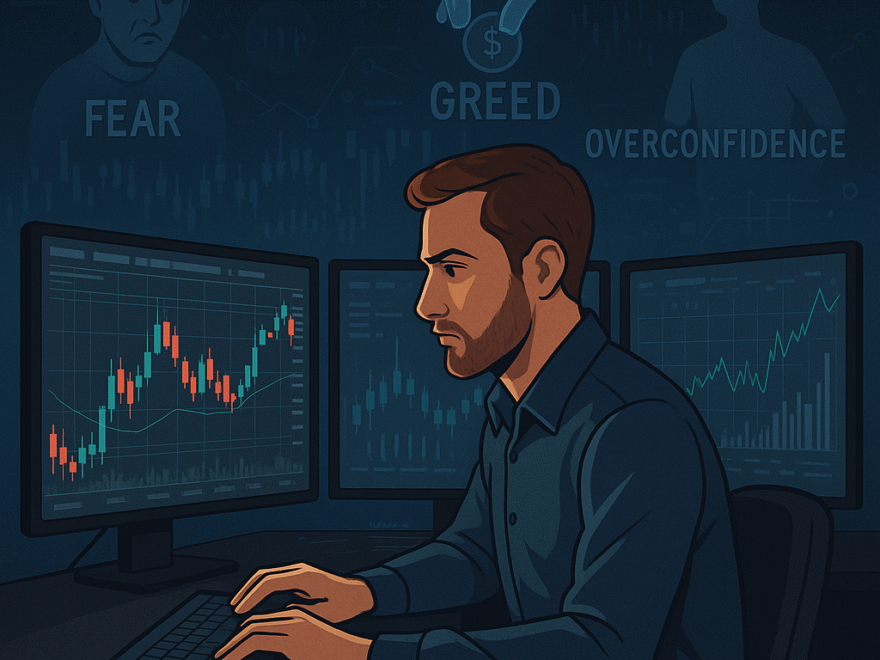
If you’ve ever closed a trade too early out of fear—or held on too long hoping for just a bit more profit—you’re not alone. The truth is, the hardest part of trading isn’t reading charts or picking the right strategy. It’s managing your emotions.
In this guide, we’ll explore the most common emotional biases that sabotage traders and show you how to beat them with smart habits, practical tools, and a disciplined mindset.
Why Emotional Control Is the Real Secret to Trading Success
Markets move on logic. People don’t.
No matter how good your technical analysis is, emotions like fear, greed, and overconfidence can cloud your judgment. Left unchecked, these biases lead to poor decisions—and blown accounts.
Learning to manage your psychology is just as important as learning indicators or strategies. The good news? It’s a skill you can develop.
The Top 5 Emotional Biases That Hurt Traders
1. Fear of Losing
This bias causes you to exit trades too early or skip solid setups because you’re afraid to be wrong. It’s like folding a strong poker hand because you’re scared to play.
Symptoms:
- Second-guessing entry points
- Cutting winners short
- Freezing when markets move fast
2. Greed for Bigger Profits
Ever watched a winning trade turn into a loss because you were chasing more? That’s greed in action. It pushes you to ignore your exit plan and hope for moonshots.
Watch out for:
- Moving targets mid-trade
- Doubling down on winners
- Ignoring signs of reversal
3. Overconfidence
A few wins can make you feel invincible. But trading isn’t about hot streaks—it’s about consistency.
Risk signs:
- Trading bigger than your rules allow
- Ignoring stop-losses
- Abandoning your strategy
4. Loss Aversion
Psychologically, losses hurt about twice as much as gains feel good. This leads to irrational behavior like revenge trading or avoiding risk altogether.
Common behaviors:
- Refusing to close losing trades
- Fearing new trades after a loss
- Breaking rules to “get it back”
5. Confirmation Bias
You look for info that supports your idea—and ignore warning signs. It’s easy to fall in love with a setup and justify it no matter what the chart says.
Look out for:
- Selective reading of indicators
- Cherry-picking news to match your bias
- Ignoring conflicting signals
How Emotional Biases Derail Your Trading
Here’s how these biases translate into real-world trading problems:
- Inconsistent Execution: You deviate from your plan, chasing feelings over logic.
- Poor Risk Management: You size trades based on emotions, not rules.
- Missed Opportunities: Fear keeps you sidelined during great setups.
- Account Blowups: Small mistakes snowball into big losses when left unchecked.
How to Overcome Emotional Biases Like a Pro
1. Build and Follow a Written Trading Plan
Outline clear entry, exit, and risk parameters. Make decisions before money is on the line. This plan is your emotional firewall.
2. Use AI Tools for Objectivity
AI trading signals, like those from AITradingSignals.co, can help you remove emotion and stick to data-backed decisions. (Try it FREE for 14 days—no card required!)
3. Practice Smart Risk Management
- Risk just 1–2% of your account per trade
- Always use stop-losses and define profit targets
- Never trade without a safety net
4. Keep a Trading Journal
Log every trade—your reasons for entering, exiting, and how you felt. This helps spot patterns in your behavior and improve over time.
5. Normalize Losses
Even the best traders lose. The goal isn’t perfection—it’s consistent execution. Losses are tuition in the school of trading.
How AI Trading Signals Can Help You Stay Calm and Consistent
Emotional discipline is tough—but tech can help.
- Clear Entry/Exit Points: Follow the data, not your gut.
- Built-In Risk Controls: Get suggested stop-loss and take-profit levels.
- 24/7 Objectivity: AI doesn’t panic. It adapts and sticks to logic.
✅ Pro Tip: Many traders who use AI signals report fewer emotional mistakes and more consistent results.
FAQs About Trading Psychology
Q: Can anyone overcome emotional trading?
A: Yes! Like any skill, it takes awareness, practice, and repetition.
Q: Does AI trading remove emotions entirely?
A: No—but it reduces emotional guesswork by giving clear, data-based signals.
Q: What’s the fastest way to improve trading psychology?
A: Stick to your plan, manage risk, and journal consistently. Discipline beats drama.
Pros and Cons of Emotional Trading
Pros:
- Intuition can sometimes spot hidden risks
Cons:
- Inconsistent results
- Overtrading and panic selling
- Chronic stress and burnout
Final Thoughts: Trade with a Clear Head and a Smart Edge
Mastering your emotions isn’t optional—it’s essential. Emotional control separates amateur traders from long-term winners.
Want to trade smarter and more calmly? Start with a tool that helps you stay objective.
👉 Get your 14-day FREE trial of AITradingSignals.co
No commitment. No guesswork. Just data-backed trades.
Have a story about overcoming fear or greed in your trades?
Share it in the comments below. Let’s grow stronger, together.