
Have you ever wondered what traders mean when they say a market is “overbought” or “oversold”? These terms can signal potential reversals and help you time your trades more effectively.
In this guide, you’ll learn what overbought and oversold conditions really mean, how to identify them, and how to use them to improve your trading strategy.
What Does Overbought Mean?
A market is considered overbought when prices have risen too far, too fast, and may be due for a pullback. It often reflects bullish exhaustion or speculative overreach.
Key signs of an overbought market:
- RSI above 70
- Stochastic Oscillator above 80
- Rapid price gains without corrections
- Price pushing into upper Bollinger Band or resistance zones
📈 Think of overbought as a stretched rubber band—it can snap back at any time.
Overbought doesn’t mean the price will reverse instantly. Markets can remain overbought in strong uptrends. But it does signal caution.

What Does Oversold Mean?
An oversold market is one that has dropped quickly and is likely to bounce back. It often indicates panic selling or a temporary imbalance in sentiment.
Key signs of an oversold market:
- RSI below 30
- Stochastic Oscillator below 20
- Sharp declines followed by support zones
- Price dipping below lower Bollinger Band
📉 It’s like a coiled spring—prices often rebound after intense selling.
Indicators Used to Spot Overbought/Oversold Conditions
1. Relative Strength Index (RSI)
- Measures momentum on a scale from 0 to 100
- Overbought: >70, Oversold: <30>
- Look for divergence (price making new highs while RSI does not)
2. Stochastic Oscillator
- Compares current price to a range over time
- Overbought: >80, Oversold: <20>
- Ideal for range-bound or choppy markets
3. Bollinger Bands
- A volatility-based indicator with upper/lower bands around a moving average.
- Price touching outer bands suggests extremes; look for mean reversion.
4. MACD (Moving Average Convergence Divergence)
- Overbought signals can appear when MACD histogram weakens or shows divergence.
- Look for crossover signals and failure swings.
🔍 Pro tip: Combine at least two indicators for confirmation and add a price action filter like support/resistance.

How to Trade Overbought and Oversold Conditions
1. Wait for Confirmation
- Don’t trade just because RSI touches 70 or 30
- Look for candlestick reversal patterns: Doji, engulfing, pin bar
- Use a confluence of indicators and levels
2. Use Trend Context
- In an uptrend, oversold = possible buy opportunity on pullback
- In a downtrend, overbought = potential short entry on retracement
📌 Rule of thumb: Trade in the direction of the trend unless a major reversal is confirmed
3. Combine with Support and Resistance
- Overbought near major resistance = strong sell signal
- Oversold at historical support = buy signal with edge
- Use zones, not exact price lines, for flexibility
4. Adjust Timeframes
- Use multi-timeframe analysis:
- Confirm on 4H or daily
- Execute on 1H or 15M
📊 Example Setup: RSI crosses 30 + bullish engulfing candle on daily support = solid long setup
Mistakes to Avoid
- Jumping in too early: Indicators can remain extreme for long periods
- Trading against a strong trend without confirmation: This leads to unnecessary losses
- Over-relying on indicators: Always use market structure, volume, and key levels
- Ignoring news or catalysts: Fundamentals can override technical extremes
⚠️ Reminder: Overbought ≠ guaranteed reversal. It’s a signal, not a certainty. Always trade with a stop-loss.
Real-World Examples of Overbought and Oversold Trades
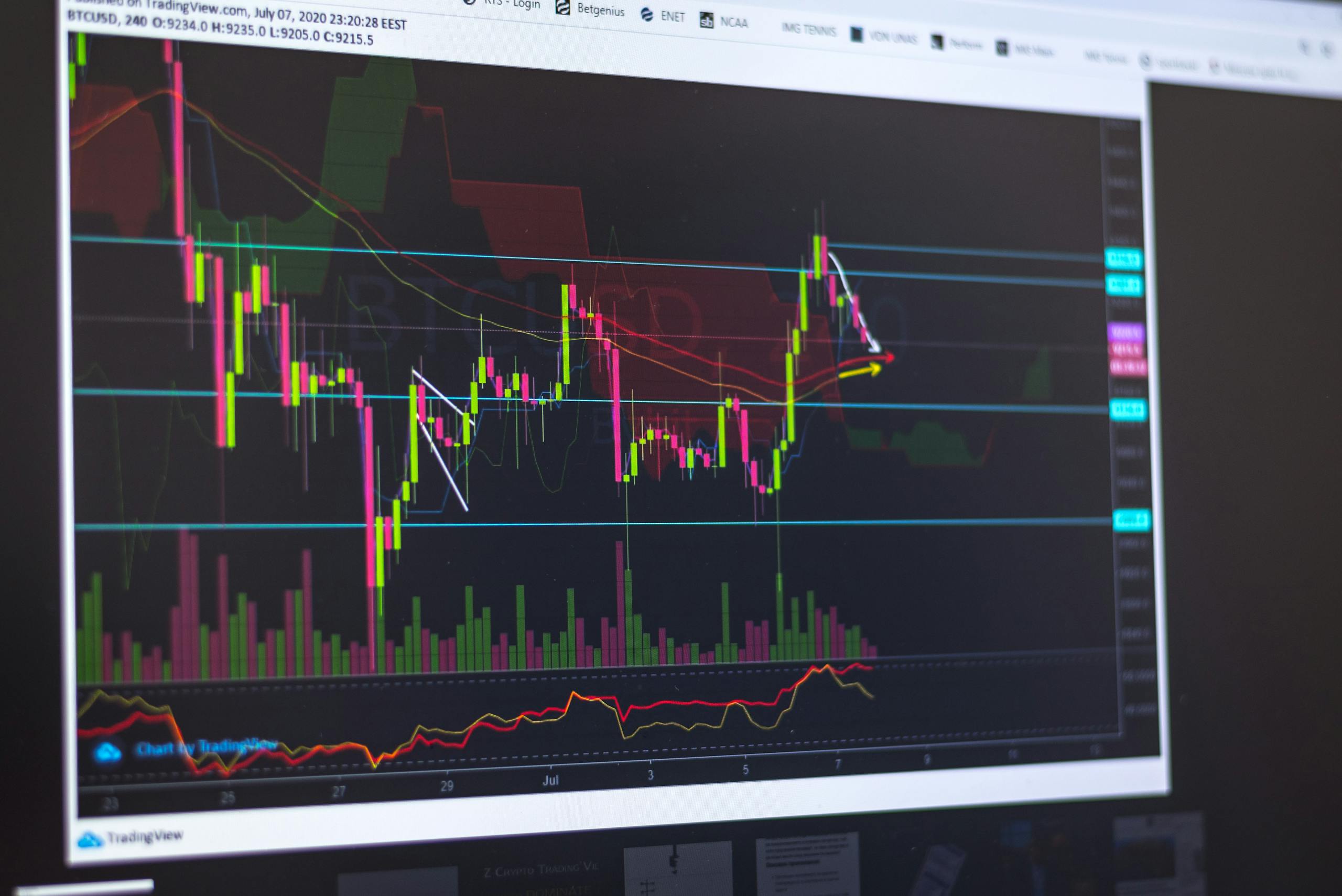
Example 1: RSI Divergence in Crypto
- BTC/USD rallies to $45,000
- RSI hits 78 and begins to fall while price makes new highs
- Bearish divergence appears
- Entry: Short on bearish engulfing candle
- Stop: Above recent high
- Target: Prior support at $41,500
Example 2: Oversold Setup in Forex
- EUR/USD drops from 1.1000 to 1.0800 in two days
- RSI hits 28
- A bullish pin bar forms at 1.0780 support
- Entry: Buy after candle close
- Stop: Below low of pin bar
- Target: Resistance at 1.0900
🎯 Lesson: Patience, confirmation, and context are key.
Bonus: When NOT to Use Overbought/Oversold Signals
- During news spikes: High volatility can invalidate signals
- In strong trends: A trend may push RSI/Stochastic to extremes for extended periods
- Without a plan: Don’t enter just to “catch the top or bottom”
Instead, use these signals to add confluence to an existing trade idea—not as a standalone trigger.
Final Thoughts: Timing the Market With Confidence and Clarity
Identifying overbought and oversold conditions is a valuable edge — but it’s just one piece of the puzzle. The real power comes from using RSI alongside price action, support/resistance, and broader trend context. No single indicator works in isolation.
To consistently spot high-probability setups, you need more than just theory — you need a system.
That’s where AITradingSignals.co comes in. Our AI-powered tools scan the markets for RSI signals, divergences, and confirmation patterns — so you don’t have to. Whether you’re trading crypto or forex, we help you cut through noise, act faster, and trade with more confidence.
🔗 Explore the full script and step-by-step training via our partner website or get your market-specific indicator and course combo on Gumroad.
Trade with purpose. Stay patient. Let the data guide your decisions — and let AI handle the heavy lifting.